Choosing Expert Illinois Trucking Services
Streamlined Bulk Hauling: Trustworthy Freight Solutions for Your Logistics Demands
Professional bulk trucking constitutes a bedrock for modern-day freight solutions, addressing assorted cargo requirements. Companies increasingly turn to specialized vehicles and innovative distribution approaches to refine operations. This tactic simultaneously minimizes costs but also enhances sustainability endeavors. As businesses pursue reliable selections, perceiving the intricacies of bulk trucking becomes indispensable. What points must be considered when selecting a provider, and how might businesses calibrate their cargo for supreme productivity?
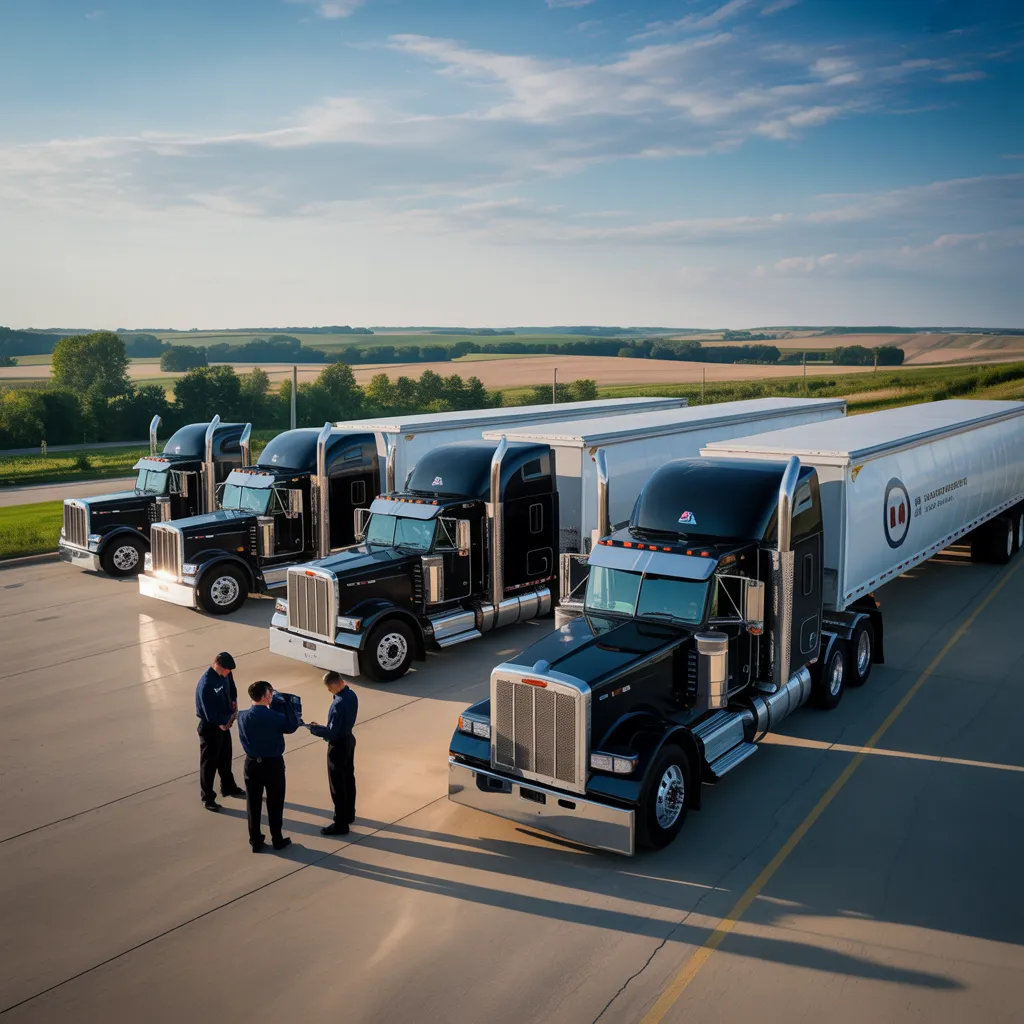
What Is Bulk Trucking and How It Functions?
Bulk trucking denotes the shipment of large quantities of merchandise, often in bulk quantities, using specialized vehicles designed for productive handling and movement. This delivery approach typically depends on the application of flatbeds, containers, and tankers, which are capable of handling various materials such as grains, liquids, or construction materials.
A procedure commences with the loading of goods at a designated facility, where advanced machinery guarantees quick and effective handling. Once filled, trucks traverse predetermined routes to transport the cargo to its destination, often utilizing GPS technology for ideal pathfinding.
Upon coming in, unloading is executed using machinery customized to the specific type of bulk being transported, guaranteeing reduced spillage and loss. Bulk trucking operates under strict safety and regulatory standards, emphasizing the importance of keeping cargo quality intact throughout the journey. This structured method greatly enhances supply chain performance, meeting the needs of industries that require major transportation services.
Leading Perks of Large-quantity Trucking for Your Company
Productivity gains are a vital advantage that enterprises can realize from using bulk trucking services. By merging large shipments, businesses can decrease transportation costs substantially. This approach restricts the number of trips required, which not only reduces fuel expenses but also diminishes wear and tear on vehicles.
In addition, bulk trucking often produces more dependable delivery timelines, strengthening supply chain robustness. Businesses can better oversee stock amounts, verifying that they have the required goods in stock without too much inventory.
Additionally, large-scale freight transportation promotes environmental sustainability by decreasing the carbon footprint linked to multiple smaller shipments. This eco-friendly approach appeals to customers growing more aware of environmental impact.
Finally, bulk trucking provides flexibility, handling various cargo types, from raw materials to finished products. Overall, these benefits make bulk trucking a smart option for businesses aiming to optimize their logistics operations.
Key Requirements for Finding a Reliable Bulk Trucking Provider
Opting for a trustworthy bulk trucking provider is indispensable for corporations looking to amplify the benefits of their distribution model. Key criteria to review include the provider's image in the industry, which can be gauged through testimonial accounts and testimonials. Compliance with safety regulations and industry standards is fundamental, as it guarantees the protection of both cargo and personnel. Moreover, analyzing the operator's fleet condition and technology can suggest their capacity for punctual and productive conveyances.
Rate transparency is yet another important aspect; a credible provider should offer lucid cost structures without hidden fees. Additionally, pliability in service offerings, such as planning and courses, facilitates firms to conform to variable needs. Finally, powerful communicative abilities and customer support are critical, guaranteeing that end-users receive updates and support throughout the conveyance workflow. By rigorously examining these principles, entities can select a contractor that aligns with their logistics goals.
Maximizing Bulk Cargo for Budget Efficiency
Maximizing expense reduction in bulk cargo operations can greatly enhance a firm's profitability. Companies can accomplish this goal by deploying efficient loading and unloading processes, which reduce cycle times and lower workforce expenses. Leveraging advanced logistics software to monitor deliveries and optimize routes further promotes efficiency, guaranteeing that vehicles are fully loaded and reducing empty miles.
In addition, opting for the suitable category of large storage unit can generate significant savings. For example, applying tailored containers created for unique cargo types can reduce product damage and strengthen logistics productivity. Enterprises may also negotiate prolonged contracts with trucking providers to secure favorable rates, thus controlling spending.
Regularly examining and assessing business information allows businesses to identify ineffective processes and implement targeted improvements. By focusing on these strategies, organizations can optimize their bulk cargo operations, resulting in significant financial reductions and a stronger market standing in the market.
Learning About Large-quantity Trucking Regulations and Conformance
Grasping the regulations managing bulk trucking is critical for ensuring operational success. Key regulatory requirements and safety industry standards shape the industry, determining both efficiency and legal adherence. Companies must navigate these frameworks to streamline their logistics and maintain safety protocols.
Essential Legal Requirements
Maneuvering through the intricate landscape of bulk trucking regulations requires careful consideration to various key requirements. First, operators must comply with federal and state licensing mandates, ensuring that all drivers possess the necessary Commercial Driver's Licenses (CDLs). Additionally, compliance with weight restrictions is imperative; vehicles must not exceed specified limits to avoid penalties and maintain road safety. Moreover, proper documentation, including Bills of Lading and freight manifests, is crucial for tracking cargo and promoting transparency. Environmental regulations may also apply, particularly concerning emissions standards for trucks. Finally, understanding insurance requirements is vital, as adequate coverage protects both operators and shippers from unforeseen liabilities. Navigating these regulatory aspects is crucial for efficient and compliant bulk trucking operations.
Safety Statutory Standards
Safety compliance standards constitute the backbone of streamlined bulk trucking operations, safeguarding the security of drivers, cargo, and the public. These standards comprise a range of regulations, including vehicle maintenance, driver qualifications, and cargo handling procedures. Companies must respect guidelines set forth by federal and state agencies, such as the Department of Transportation (DOT) and the Federal Motor copyright Safety Administration (FMCSA). Regular checks and inspections are essential, as they lower risks associated with equipment failure. Additionally, proper training for drivers on safety protocols enhances awareness of potential hazards. By promoting a culture of safety compliance, bulk trucking companies not only protect their assets but also build trust with clients and the communities they serve.
Safety Recommendations for Bulk Trucking Transport
Securing the safety of heavy goods transportation involves an wide-ranging approach that addresses a range of dangers on the road. First, scheduled vehicle inspections are key to recognize mechanical flaws before they progress. Proper training for drivers on working with specific cargo types enhances their skill to tackle challenges effectively. Additionally, following weight limits prevents overloading, which can undermine stability and braking.
Applying secure loading practices, including suitable securing devices, reduces cargo movement during transit. It is also vital to establish open dialogue with dispatch and other drivers to track road conditions and potential hazards. Utilizing GPS tracking can deliver real-time updates, improving situational awareness.
In conclusion, establishing a safety culture within the organization inspires all employees to focus on best practices. By utilizing these safety tips, bulk trucking operations can substantially decrease risks, assuring the secure shipment of goods while preserving lives on the road.
Upcoming Trends in Bulk Trucking: What Lies Ahead?
What breakthroughs lie ahead for the bulk trucking industry? As technology continues to progress, several trends are establishing the future of bulk trucking. Automation is set to play a prominent role, with autonomous trucks expected to elevate efficiency and reduce operational costs. Moreover, the integration of artificial intelligence and data analytics will boost route optimization and fuel efficiency, allowing for more assured and timely deliveries.
Sustainability represents also a critical priority, with an heightened concentration on green initiatives. Electric and hybrid trucks are projected to gain momentum, lowering carbon footprints and meeting regulatory changes. Additionally, technological advancements in telematics will optimize fleet management, offering live monitoring and better maintenance schedules.
Finally, the growth of e-commerce requires flexibility in freight transport, pushing businesses to adopt cutting-edge supply chain strategies. Together, these developments suggest a revolutionary period for the bulk trucking sector, emphasizing productivity, sustainability, and flexibility.
Frequently Requested Questions
What Varieties of Cargo Perform Best for Bulk Trucking?
Bulk trucking proves well-suited for moving bulk commodities such as grains, chemicals, aggregates, and liquids. These cargo types stand to benefit from bulk transport due to their quantity and heaviness, optimizing performance and minimizing overall shipping costs.
What's the Difference Between Bulk Trucking Rates and Other Shipping Methods?
Bulk trucking rates are typically more economical than alternative shipping methods for large volumes. This cost-saving benefit stems from reduced handling expenses and economies of scale, making it a preferred choice for shipping significant quantities of cargo.
What Technology Is Typically Employed in Bulk Transportation Today?
Modern bulk hauling employs tools like GPS tracking for real-time location information, telematics for vehicle diagnostics, electronic logging devices for regulatory adherence, and automated routing software to enhance delivery performance and reduce operational costs.
Can Bulk Trucking Facilitate International Shipments?
Yes, bulk trucking can manage international shipments. Companies consistently adopt specialized vehicles and integrated services to maintain compliance with international regulations, facilitating the transport of goods across borders efficiently and securely.
What Ecological Effects Does Large-scale Trucking Create?
Bulk trucking contributes to ecological damage through emissions of greenhouse gases, fuel consumption, and potential structural deterioration of roads. However, improvements in technology and policy attempt to lessen these effects, find out about this supporting more sustainable practices within the field.