Integrating Powder Logistics Sustainability
Investigating the Merits of Opting for Bulk Trucking for Your Shipping Needs
Bulk haulage provides a smart solution for companies looking to improve their supply chain. Through shipment consolidation, companies can achieve major financial benefits and minimize their carbon footprint. Moreover, this approach provides greater dependability and versatility in shipping arrangements - Illinois top rated Bulk Trucking. Since the environment of supply chain management evolves, understanding the nuances of bulk trucking becomes essential for maintaining a competitive edge. What further benefits might this method show for current enterprises?
Cost Savings Through Economies of Scale
Although many businesses are encountering higher transport fees, bulk trucking offers significant cost savings through economies of scale. Through the grouping of deliveries, companies can reduce the individual item shipping expense, as greater volumes enable better utilization of assets such as staff and energy. This optimization leads to decreased operational spending, making bulk trucking an attractive option for companies seeking to streamline their supply chain.
Furthermore, bulk trucking minimizes the amount of travel needed, which further decreases costs associated with fleet servicing and labor costs. Businesses are able to secure improved pricing with haulers when committing to larger volumes, allowing them to gain from decreased transport costs. Therefore, companies are able to direct their financial gains towards other functions, improving their market position. Ultimately, bulk haulage's cost benefits establish it as a key strategy for companies seeking to increase profitability while ensuring effective transport management.
Reduced Environmental Impact
This method plays a major role in a smaller environmental toll, positioning it as a green option for shipping. Through the grouping of loads, bulk transport reduces the number of trips required to ship items, which subsequently lowers gasoline usage and harmful emissions. The streamlined approach to moving substantial volumes of goods results in a lower vehicle count, easing road blockage and strain on public works.
Furthermore, a lot of haulage firms are moving toward environmentally friendly operations, such as deploying energy-saving fleets and optimizing routing to reduce their environmental impact even more. Employing modern technology in the supply chain helps in monitoring emissions and enhancing overall efficiency. Given that corporations are emphasizing sustainability more, using bulk shipping not only aids environmental programs but also aligns with corporate social responsibility goals. As a result, bulk trucking serves as a practical solution for firms aiming to minimize their environmental damage and still completing their logistical requirements.
Improved Delivery Times and Reliability
When companies choose bulk trucking for moving their goods, they usually benefit from better transit times and enhanced reliability. This mode of transportation is designed to efficiently handle large quantities of goods, reducing the number of trips required. By grouping deliveries, businesses can reduce holdups related to staging and destaging, leading to faster transit times.
Furthermore, bulk trucking typically involves fewer stops, which makes the delivery process more efficient. Numerous bulk haulers employ cutting-edge tracking and logistics tools, providing real-time updates that improve clarity and responsibility. This transparency allows firms to plan better, guaranteeing that items reach their destination on time.
Moreover, the reliability of bulk trucking is bolstered by experienced drivers and regularly maintained equipment, lessening the possibility of malfunctions or delays. In turn, firms can trust bulk hauling services to meet their shipping deadlines consistently, which ultimately boosts client happiness and solidifying business connections.
Increased Hauling Volume and Adaptability
While numerous transport choices limit the size of the load, bulk transport provides greater hauling volume that allows companies to transport substantial quantities of goods in a single journey. This capability is particularly beneficial for sectors needing to move high quantities of materials, including mining, construction, and agriculture. Using specialized trucks built for bulk goods, firms can improve their delivery methods, cutting down the journeys required to ship products.
In addition, bulk trucking provides flexibility in load configuration, allowing for diverse product types, like grains, liquids, and powders. This flexibility helps firms adjust to evolving needs and manage their supply chain effectively without sacrificing volume. By taking advantage of bulk trucking's flexibility and capacity, businesses can streamline their operations, reduce shipping expenses and secure a more consistent delivery method. Ultimately, this option presents a practical solution for companies seeking to maximize shipping efficiency and meet customer expectations.
Optimized Logistics Network Control

Streamlined logistics coordination is more attainable with the addition of bulk trucking into the operational framework. By consolidating shipments, businesses can cut down on transit expenditure and quicken transit schedules. Mass hauling enables the transfer of larger quantities of goods in less journeys, reducing the hassle associated with multiple shipments. This efficiency makes possible better inventory management, as companies can get and send out goods more rapidly.
In addition, bulk trucking enhances communication and collaboration among supply chain partners. With a smaller number of haulers, tracking shipments becomes simpler, leading to improved visibility and quicker response times to emerging difficulties. The reliability of bulk trucking also ensures that goods arrive at their destinations in discover details on optimal state, minimizing the possibility of damage or hold-ups. In conclusion, adding large-scale hauling into logistics planning creates a more unified and streamlined transport system, aiding enterprises and their customers alike.
Questions and Answers
What Types of Goods Are Best Suited for Mass Transport?
Bulk trucking is ideal for moving significant amounts of product such as farm produce, construction materials, industrial compounds, and groceries. These goods gain from streamlined, affordable transport options, cutting down on manual processing and decreasing transit expenses.
How Do I Find a Dependable Transport Company?
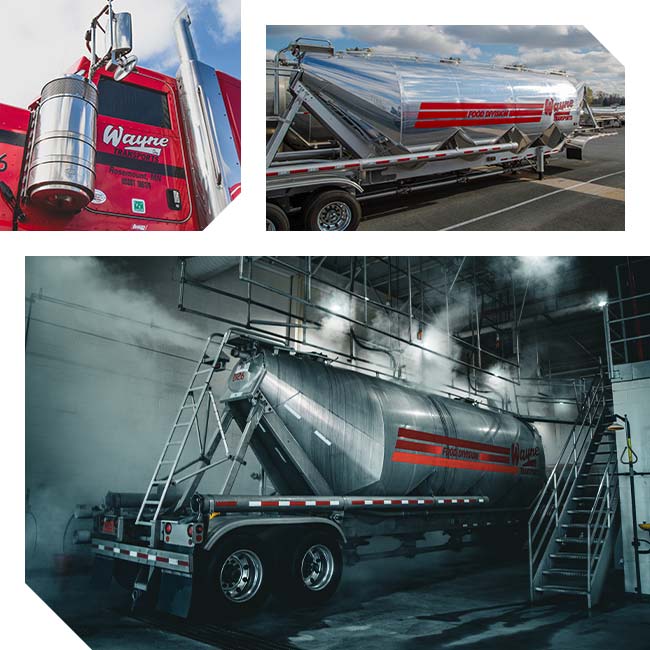
To find a trustworthy logistics firm, one should look up customer testimonials, seek recommendations from industry peers, assess credentials, and compare quotes - Illinois top rated Bulk Trucking. Additionally, assessing the company’s history and vehicle resources is crucial to selecting wisely
What is the Typical Delivery Period for Large Cargo Loads?
The average transit time for bulk shipments typically ranges from 24 to 72 hours, varying by the route length, traffic situations, and the kind of goods. Fluctuations in these conditions can significantly alter transit times.
Are There Weight Restrictions for Bulk Trucking Loads?
Indeed, bulk trucking loads typically have weight restrictions, which differ by region and truck model. Illinois top rated Bulk Trucking. Guidelines guarantee security and regulatory conformity, often limiting loads to around 80K pounds for standard trucks on major roads
Is Bulk Transport Manage Perishable Goods?
Certainly, bulk trucking is able to handle goods requiring climate control through the use of specific gear, like refrigerated trailers. This feature ensures that perishable goods keep their specified temperature range while in transport, protecting their condition and quality.